
Liquid Biopsy and cfDNA: Expanding Precision Oncology Beyond Tissue
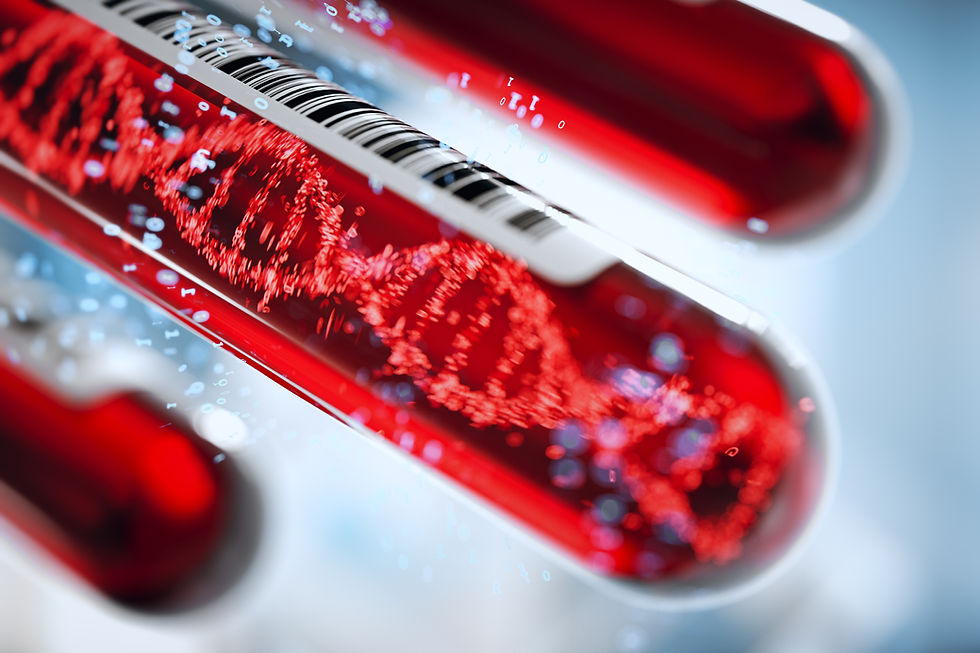
Tissue biopsy remains the cornerstone of cancer diagnosis, providing essential histopathological and molecular information. However, in many real-world scenarios—such as advanced, metastatic, or heavily pretreated disease—obtaining sufficient or repeat tissue samples can be challenging. Liquid biopsy, through the analysis of circulating tumor DNA (cfDNA), has emerged as a valuable complementary approach in precision oncology.
cfDNA reflects tumor-derived genetic material shed into the bloodstream, offering a minimally invasive way to interrogate tumor genomics. While it may not fully replace tissue-based testing, liquid biopsy plays a critical role when tissue is unavailable, inadequate, or when repeat sampling is clinically impractical. Its utility is particularly evident in advanced disease, where tumor heterogeneity and ongoing evolution under treatment pressure are common.
Beyond baseline profiling, liquid biopsy enables dynamic monitoring of treatment response. Changes in cfDNA levels or mutation profiles can provide early molecular signals of response or progression, sometimes preceding radiological findings. Importantly, cfDNA analysis can also reveal acquired resistance mutations, helping clinicians understand why a therapy may be losing effectiveness and informing subsequent treatment strategies.
Clinical & Operational Relevance
When used in appropriate clinical contexts, liquid biopsy adds meaningful value to oncology care:
Non-invasive testing option when tissue biopsy is not feasible or poses high risk
Rapid molecular insights to support timely treatment decisions
Monitoring of treatment response through serial sampling
Detection of resistance mechanisms without repeat invasive procedures
Assessment of tumor heterogeneity, capturing signals from multiple disease sites
Liquid biopsy is most effective when applied with a clear clinical question, rather than as a blanket replacement for tissue testing.
AGTC Genomics LiquidDx, liquid biopsy is positioned as a strategic tool within the broader precision oncology workflow. cfDNA-based testing is designed to complement tissue profiling, supporting applications such as baseline molecular assessment in advanced disease, treatment monitoring, and detection of resistance mutations. Emphasis is placed on analytical sensitivity, clinically relevant interpretation, and alignment with real-world oncology practice to ensure results are actionable and reliable.
Closing Remarks
Liquid biopsy has transformed how clinicians access tumor genomics—shifting from single time-point snapshots to continuous molecular insight. When used thoughtfully, cfDNA testing strengthens precision oncology by bringing genomic information closer to the realities of patient care.


Comments